Ceramic Coating vs. Paint Protection Film: An Engineering Guide to Protecting Modern Vehicles in 2026
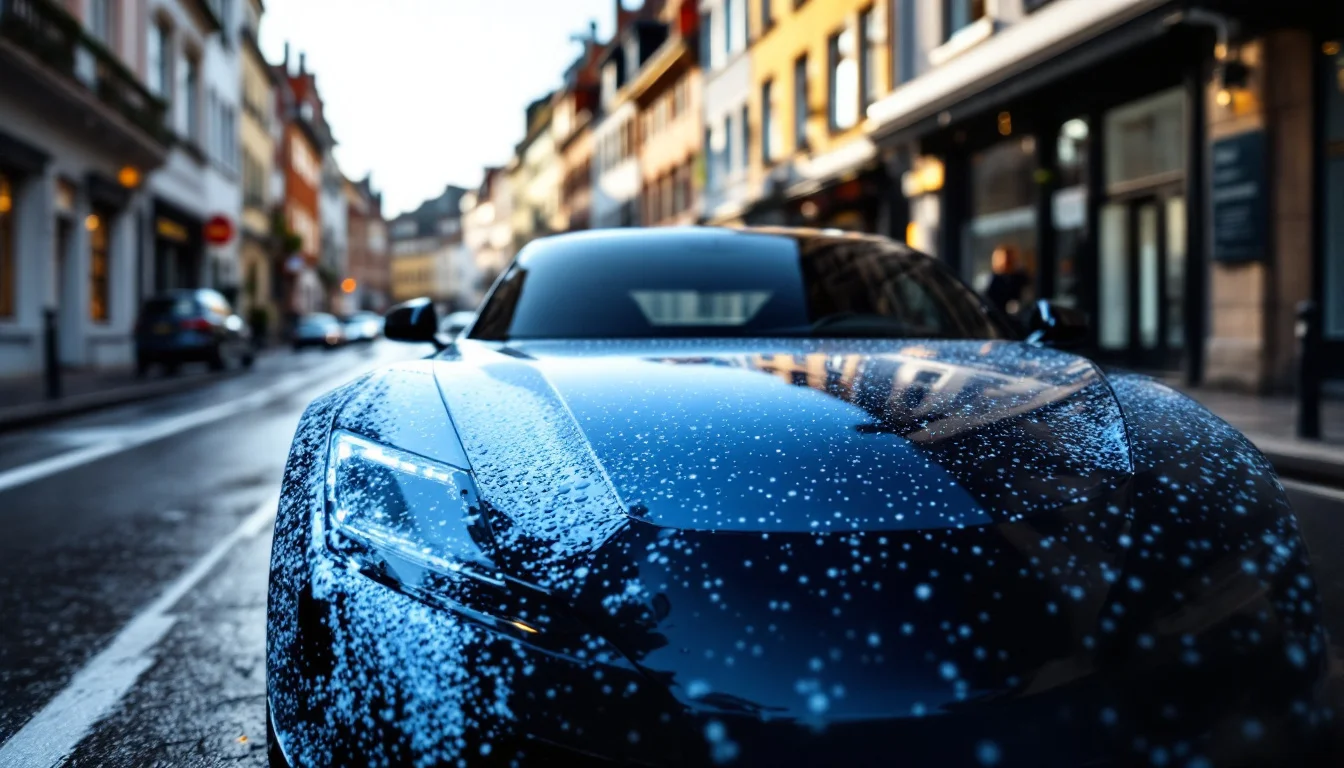
Modern vehicle manufacturing has altered the chemical composition of factory exteriors. The ongoing transition away from volatile solvent-based applications has changed basecoat chemistry, influencing the overall durability of the final finish. For daily drivers in 2026, protecting a modern vehicle often requires a strategic selection of aftermarket materials.
Drivers must navigate the functional differences between physical urethane barriers and chemical nano-coatings to preserve their vehicle's exterior. This guide examines the applications of protective films and liquid polymers to secure contemporary automotive finishes.
Key Takeaways
- The modern paint reality: Factory finishes increasingly feature water-based basecoats, and the finish can gradually lose its showroom luster over time without protection.
- The functional split: Exterior defense strategies divide into two domains: kinetic energy absorption via physical urethane layers and chemical defense through molecular polymer bonding.
- The hybrid standard: A common professional approach deploys elastomeric films on high-impact zones while sealing the remaining surface area with hydrophobic ceramic compounds.
Does Modern Car Paint Really Scratch More Easily?
Automotive paint systems have undergone a mandatory chemical evolution over the past decade. Strict environmental regulations have pushed car manufacturers toward eco-friendly paints. The transition to water-based basecoats does not directly change the chemistry of clear coats, which remain solvent-based; however, clear coats may be applied thinner or softer for cost and efficiency reasons.
Progressive Surface Degradation
Without aftermarket intervention, modern factory finishes can be susceptible to marring and micro-scratching. While OEM clear coat thickness and quality vary by manufacturer, the finish on modern vehicles can gradually lose its showroom luster over time depending on climate, washing methods, and standard daily use.
Rather than viewing this vulnerability as a localized manufacturing defect, some detailing professionals recognize this as a reality of current production methods. The burden of mechanical durability often shifts to aftermarket material applications.
Paint Protection Film (PPF): Dissipating Kinetic Energy
Addressing the vulnerability of thinner factory paint requires a physical barrier capable of managing mechanical impacts. Paint protection film provides this level of exterior defense through specialized, multi-layered urethane chemistry designed for force distribution.
Urethane Material Specifications
Modern paint protection film typically features a commercial thickness range of 6 to 10 mils as a transparent urethane barrier. When a vehicle travels at highway speeds, road debris acts as a kinetic projectile. The thickness of the film allows it to catch and dissipate the kinetic energy of a rock strike or debris impact before those forces fracture the clear coat resting beneath it. (The clear coat is the uppermost transparent resin layer of a paint system, designed to protect the pigmented basecoat and provide gloss.)
A modern professional paint protection film consists of three distinct functional layers engineered for combined resilience:
- A precision-engineered adhesive that securely anchors the film without chemically damaging the underlying factory finish.
- A shock-absorbing urethane core designed to distribute concentrated impact forces across a wider surface area.
- A clear-coat top layer that provides environmental resistance and maintains high optical clarity.
Elastomeric Self-Healing Properties
Elite paint protection films feature a "self-healing" top coat engineered from specialized elastomeric polymers. (An elastomeric self-healing top coat is a flexible polymer layer that can revert to its original, uniform shape when exposed to thermal energy.) These complex polymer chains possess a built-in structural memory. When exposed to heat from the sun or warm water, the polymer chains in this shape-memory polyurethane network relax back to their original state.
This thermal reaction causes light swirl marks and superficial top-coat abrasions to disappear from the film, though deeper scratches penetrating the urethane core will not self-heal. Functionally, PPF acts as a replaceable barrier layer against mechanical abrasion such as rock chips, road salt impacts, and deep surface scratches, ensuring the barrier maintains visual clarity over years of exposure.
Ceramic Coating: The Molecular Chemical Shield
While urethane films are engineered to absorb kinetic impacts, ceramic coatings operate on a chemical level to alter the factory paint's baseline surface properties. Applying a ceramic coating involves cross-linking synthetic molecules to form a nanostructured silica layer over the clear coat.
Silica-Based Polymer Bonding
Professional ceramic coatings are liquid polymers primarily formulated with Silicon Dioxide (SiO2). When applied to a properly prepared vehicle, these liquid polymers do not simply rest on top of the surface like a traditional carnauba wax. Instead, they form covalent bonds with the clear coat's surface hydroxyl groups. This semi-permanent nanostructured layer lowers the overall surface energy, producing hydrophobicity and creating a microscopic defensive layer that resists removal by standard automotive detergents.
Hydrophobic Maintenance Advantages
The primary function of this chemical bond is environmental isolation. The coating repels chemical contaminants, acidic bird droppings, industrial fallout, and ultraviolet (UV) radiation while delivering high optical gloss.
The introduction of this low-surface-energy layer produces strong hydrophobicity. Water and liquid contaminants are repelled, unable to anchor into the paint's microscopic imperfections. This translates directly into maintenance efficiency; dirt and road grime have reduced adhesion to the bonded polymer layer, making washing the vehicle noticeably faster.
Technical Comparison: Urethane Armor vs. Liquid Polymers
Determining the appropriate surface protection requires analyzing the specific mechanical and environmental threats a given vehicle will face. The two technologies operate through fundamentally different physical mechanisms.
Surface Protection Decision Matrix
| Criterion | Paint Protection Film (PPF) | Ceramic Coating |
|---|---|---|
| Primary Mechanism | Physical barrier (typically 6–10 mil transparent urethane) | Chemical molecular bonding (primarily SiO2 liquid polymers) |
| Threat Vector Mitigated | Mechanical abrasion (rock chips, road salt, deep scratches) | Environmental damage (UV rays, bird droppings, chemical fallout) |
| Expected Lifespan | Up to 10 years for premium films under manufacturer warranties | 2 to 9 years depending on polymer grade |
| Optimal Use Case | Deflecting kinetic energy on high-impact structural surfaces | Enhancing gloss and repelling liquid contaminants globally |
Note: These lifespan figures represent generalized estimates under favorable maintenance conditions and may vary significantly with climate (e.g., intense UV or frost), washing habits, and product grade.
This technical separation highlights that neither product serves as a universal replacement for the other. PPF is an impact absorber reliant on its urethane core to prevent structural damage. Ceramic coatings offer negligible impact resistance but provide superior chemical defense.
Limitations and Considerations
While both technologies offer extensive protection, they involve inherent trade-offs. The installed cost of these systems must be weighed against the vehicle's value. Furthermore, improper installation or removal of PPF carries a risk of damaging the clear coat, and some films may introduce "orange peel" optical distortion. It is also important to note that OEM clear coats are engineered to meet manufacturer durability specifications, meaning aftermarket protection may not be strictly necessary for all driving conditions.
Should You Install PPF, Ceramic Coating, or Both?
Because factory paints face simultaneous threats from both kinetic impacts and environmental contaminants, relying on a single material solution leaves vulnerabilities. A common professional configuration combines both technologies into a unified exterior defense system.
Strategic Panel Allocation
A hybrid configuration often allocates protective materials based on aerodynamic exposure. Installers apply thick PPF to the high-impact zones that face direct oncoming road debris — specifically the hood, bumper, mirrors, and fenders. These forward-facing panels endure the vast majority of mechanical abrasion. The remaining, lower-impact panels receive a high-grade ceramic coating to manage UV exposure and chemical fallout.
Sealing the Urethane Pores
The synergy of the hybrid approach extends beyond simple panel allocation. While PPF is mechanically robust, the microscopic surface of raw urethane is naturally porous, which can allow stubborn environmental contaminants to embed themselves into the film over time.
Applying a liquid ceramic coating directly over the paint protection film chemically seals the film's pores. This combination makes the underlying film easier to clean and more resistant to staining from highly acidic hazards like bird droppings or tree sap, providing a layered defense for modern paint architectures.
FAQ: Installation and Maintenance Logistics
Does a brand new vehicle need surface preparation before installation?
While it is sometimes possible to apply materials directly to flawless finishes, skipping surface preparation is rarely recommended. Even vehicles traveling directly from the assembly line often possess microscopic clear coat imperfections caused by transit, dealership washing, and factory handling. Both PPF and ceramic coatings typically benefit from professional surface decontamination and preparation. This step ensures that pre-existing swirl marks, transport scratches, and factory application defects are leveled. Bypassing necessary preparation runs the risk of locking these aesthetic flaws beneath a clear urethane barrier or a hardened layer of bonded silicon dioxide.
What is the optimal mileage window to apply these protective materials?
Early application is strongly recommended to maximize the benefits of the materials. Because clear coats degrade upon their initial exposure to real-world road conditions, many new owners choose to install these protections within the first 500 miles of ownership. Applying the urethane film and polymer coatings within this initial mileage window locks in the factory finish before kinetic strikes and environmental damage can alter the clear coat's surface.
Conclusion: The Structural Future of Car Care
As the global automotive industry continues to balance ecological compliance with the mechanical ruggedness of exterior finishes, the role of material science in daily driving expands. The ongoing utilization of water-based basecoat systems indicates that some vehicles may benefit from secondary, aftermarket layers to achieve optimal lifecycle durability. For many drivers, surface protection is treated as a baseline operational requirement rather than a discretionary luxury upgrade, redefining how modern automotive assets are preserved and maintained.