Electric Vehicle Exterior Care: How Standard Car Wash Protocols Affect EVs and What to Do Instead
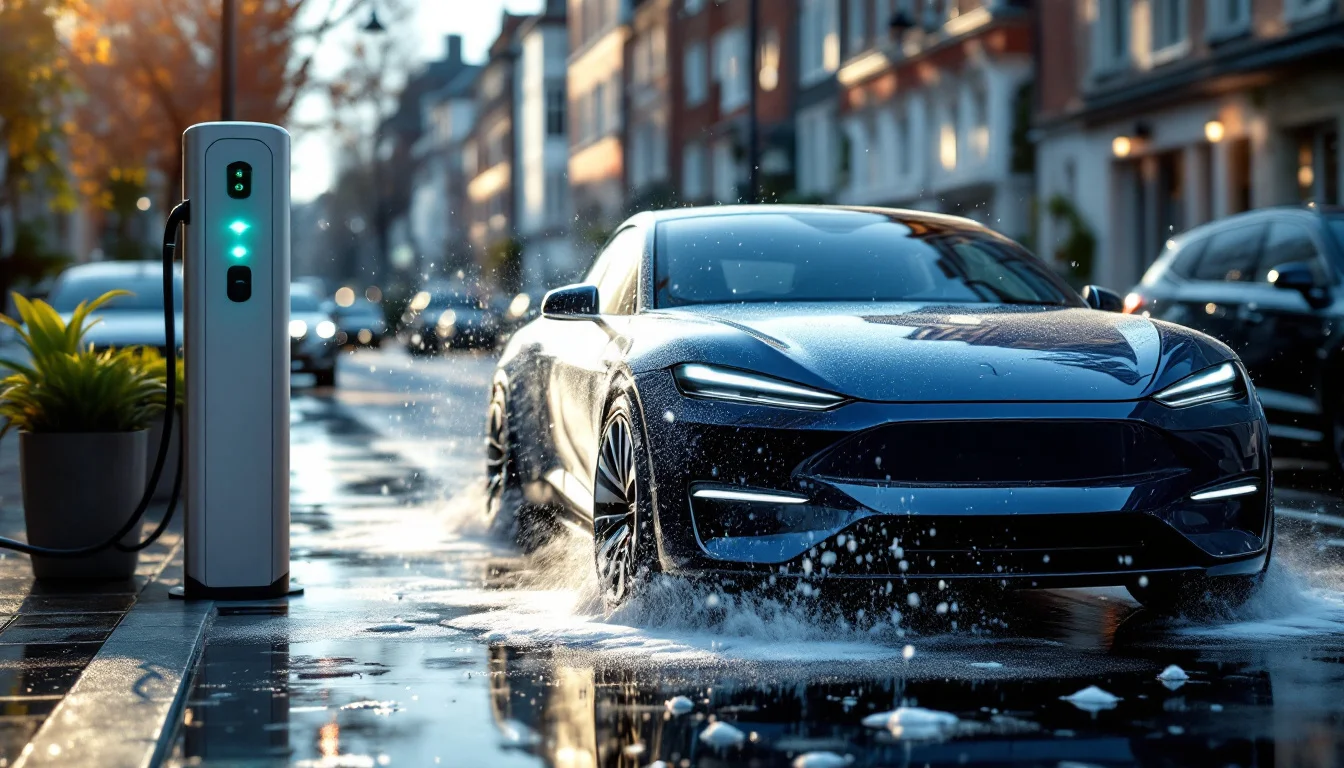
Mixing high-voltage electrical architecture with hundreds of liters of water instinctively feels dangerous. For early adopters and new owners alike, the primary anxiety surrounding electric vehicle exterior care has always centered on battery integrity. However, barring structural damage to the vehicle, this focus addresses an engineering challenge that is largely mitigated under normal conditions, while ignoring a modern, highly vulnerable component: the vehicle's algorithmic eyes.
The true risk when cleaning a modern electric vehicle does not lie beneath the floorpan, but rather along the bumpers, windshields, and side mirrors. Advanced Driver Assistance Systems (ADAS) rely on precise sensor suites that demand a specialized approach to maintenance.
Standard automated wash protocols—particularly those relying on harsh chemicals—may conflict with the chemical sensitivity of camera coatings. Furthermore, the wash tunnel environment—including conveyor movement, brushes, and water—can trigger automated braking systems, making preparation steps like shifting to Neutral or engaging Car Wash Mode essential. Moving from internal combustion to electrification requires a shift in maintenance perspective: exterior vehicle care is no longer just about preserving clearcoat, but about ensuring the optical clarity and operational readiness of the vehicle's safety networks.
Key Takeaways
- Harsh chemical exposure: Some touchless car washes utilize highly concentrated detergents that could theoretically impact sensitive exterior components under very frequent exposure.
- Software conflicts in tunnels: Automatic braking systems must be neutralized before entering a wash tunnel; shifting to Neutral is essential, and engaging dedicated wash software (like Tesla's Car Wash Mode) locks ports, disables wipers, and secures windows.
- Charge port detailing: Cleaning should only involve a damp cloth for the outer perimeter; persistent internal contamination should be addressed by a certified technician rather than attempting manual contact cleaning.
Why Is EV Battery Water Anxiety Misplaced?
The belief that heavy water exposure threatens the electrical integrity of an EV is fundamentally incorrect. Modern electric vehicles are engineered to be safe in heavy rain, deep snow, and automatic car washes, provided the vehicle has sustained no major structural damage. High-voltage batteries, electric drive systems, and charging ports are sealed against water ingress.
How Are EV Drivetrains Waterproofed?
Manufacturers employ heavy-duty physical barriers to protect the core drivetrain. EV high-voltage components—including the battery pack, electric motors, and high-voltage wiring—are sealed inside thick waterproof metal cases. These rigid metallic structures are specifically designed to keep out rain, deep puddles, and concentrated high-pressure water sprays from undercarriage jets.
Beyond the external metal casing, the EV powertrain utilizes specialized internal isolation methods. Automotive engineers deploy special gaskets and durable rubber seals to physically separate live electrical parts from the exterior environment. Because of these redundant barriers, water cannot reach the live electrical units housed inside the battery packs. Submerging the vehicle in water should nonetheless be avoided.
How Can Touchless Car Wash Chemicals Affect EVs?
When attempting to protect their vehicle's exterior, many owners default to "touchless" automated washes under the assumption that eliminating physical friction eliminates the risk of damage. In the context of modern EVs, this assumption creates a counter-intuitive hazard for the vehicle's safety technology.
How Do Touchless Systems Affect Optical Sensors?
Because touchless washes use no physical brushes, they must compensate for the lack of mechanical friction to remove road film. They achieve this by relying on extremely high-pressure water and concentrated detergents. Some of these systems deploy harsh chemicals formulated to break down baked-on road grime rapidly.
While effective on dirt, very frequent exposure to highly concentrated acidic or alkaline chemicals could theoretically impact sensitive exterior components. It is advisable to check your owner's manual for specific exterior cleaning guidance.
Are Automatic Car Wash Brushes Safe for Sensors?
The claim that automatic car wash brushes will invariably scratch or break exterior cameras and radar units is frequently overstated. Automotive engineers generally design external cameras, radar, and lidar units to withstand demanding physical environments, including heavy rain, flying road debris, and abrasive outdoor dirt. However, brush quality and condition vary between installations, and one source advises avoiding automatic car washes if preserving paintwork in top condition is the priority, as brushes and cleaners can sometimes leave scratches. The safest approach is to verify the wash type before use.
Why Is Soft-Touch Technology a Safer Alternative?
Instead of harsh touchless systems, modern soft-touch car washes use gentle closed-cell foam and specialized microfiber cloth. These materials are designed to retain abrasive particles without rubbing them against the paintwork with excessive pressure. This light, controlled friction physically sweeps away stubborn road grime, eliminating the need for the harsher chemicals often required by touchless alternatives.
How Should You Prepare an EV for an Automated Wash Tunnel?
Automated wash tunnels operate via conveyor systems that pull the vehicle through the cleaning stages. Because modern EVs are equipped with auto-hold and emergency braking software, sending an unprepared EV into a tunnel can trigger sudden stops, causing equipment damage or rear-end collisions. Preparing the vehicle requires a precise sequence of mechanical and software adjustments.
- Engage Neutral: Putting the vehicle in Neutral is essential for any automatic conveyor wash because it prevents automatic braking systems from interfering with the forward motion of the wash process.
- Deactivate Auto-Hold: Wash settings differ significantly by brand. Drivers of some vehicles must turn off the auto-hold brake system manually to prevent the wheels from locking on the track. Consult your owner's manual for the specific procedure applicable to your model.
- Disable Rain-Sensing Wipers: The automated wipers must be explicitly switched off before entering the tunnel. If they start up autonomously while inside the wash, the brushes can bend or break the wiper arms.
- Secure Windows: All cabin windows must be rolled up and secured to prevent high-pressure foam and water from flooding the interior.
- Lock the Charge Port: The outer charge door must be clicked shut. Provided the door is firmly closed before entering the wash tunnel, the port stays safe and dry.
- Engage Software Automation: Where offered, utilize manufacturer-specific software to streamline preparation. A dedicated Car Wash Mode (e.g., on Tesla vehicles) handles many preparation steps at once, automatically closing windows, locking the charge port, and disabling the wipers.
How Do You Safely Clean an EV Charge Port?
While the battery pack is sealed within metal casings, the charge port represents the single physical interface where electrical contacts are exposed during daily use. Although the outer door features rubber barriers that block moisture when shut, dirt and debris can accumulate inside the housing over time, potentially interfering with charging efficiency.
What Are the Approved Cleaning Materials?
Cleaning the charge port requires strict adherence to a dry-cleaning protocol for the active components. To clean an EV charge port without damaging it, owners should start by wiping around the external charge port area with a damp cloth. It is critical to ensure this wet cloth does not touch the electric contacts.
What Are the Procedural Detailing Steps?
For the electrical pins themselves, physical interference should be entirely avoided. Introducing cotton buds, alcohol, or other cleaning items directly onto the contacts risks mechanical damage or leaving behind fibrous residue. If debris accumulates inside the port that cannot be removed by simple means, owners should contact a certified service center for professional cleaning.
Should Ceramic Coatings Be Used on EV Safety Systems in Winter?
Environmental conditions dictate the frequency and intensity of exterior EV maintenance. Owners who live by the sea or frequently drive on winter-gritted roads should ensure they wash their EV regularly. The primary goal of this regular washing is to thoroughly remove salt from the vehicle's exterior, because accumulated salt can accelerate corrosion and cause long-term rust on the body panels and undercarriage.
Beyond simply washing away destructive elements, adding hydrophobic layers can help guard the vehicle's paint from salt spray and road grime. However, many manufacturers explicitly advise against applying ceramic coatings or waxes directly to ultrasonic sensors, radar covers, or camera lenses. Because these treatments alter surface tension, they can negatively affect optical or acoustic performance, meaning delicate sensor covers should remain clean but free of aftermarket chemical glazes.
FAQ: Electric Vehicle Washing Questions Addressed
Can I wash my EV after a collision or if it has a dent?
There is one critical scenario where factory waterproofing may be compromised: structural deformation. A broken or compromised seal can allow water to bypass the protective metal casings. For example, a large dent or a bent door panel resulting from a collision can let water seep into places it should not reach, potentially damaging interior modules and sensitive electrical parts. If a vehicle has sustained structural damage, the affected area must be checked for proper sealing by a professional before any exterior washing with water occurs.
Conclusion: A New Era of Algorithmic Car Care
Exterior vehicle maintenance has fundamentally evolved alongside automotive engineering. The transition to electric mobility dictates that a clean car is no longer just an aesthetic preference or a basic defense against rust, but a strict operational requirement. Preserving the physical integrity of advanced driver-assist optics and managing complex braking software during routine maintenance helps ensure that the vehicle's underlying algorithms can actually see the road ahead. Navigating this new landscape requires adopting highly specific, software-aware preparation protocols.