Mobile Car Detailing vs. Fixed Car Wash Stations: The 2026 Guide for Belgian Drivers
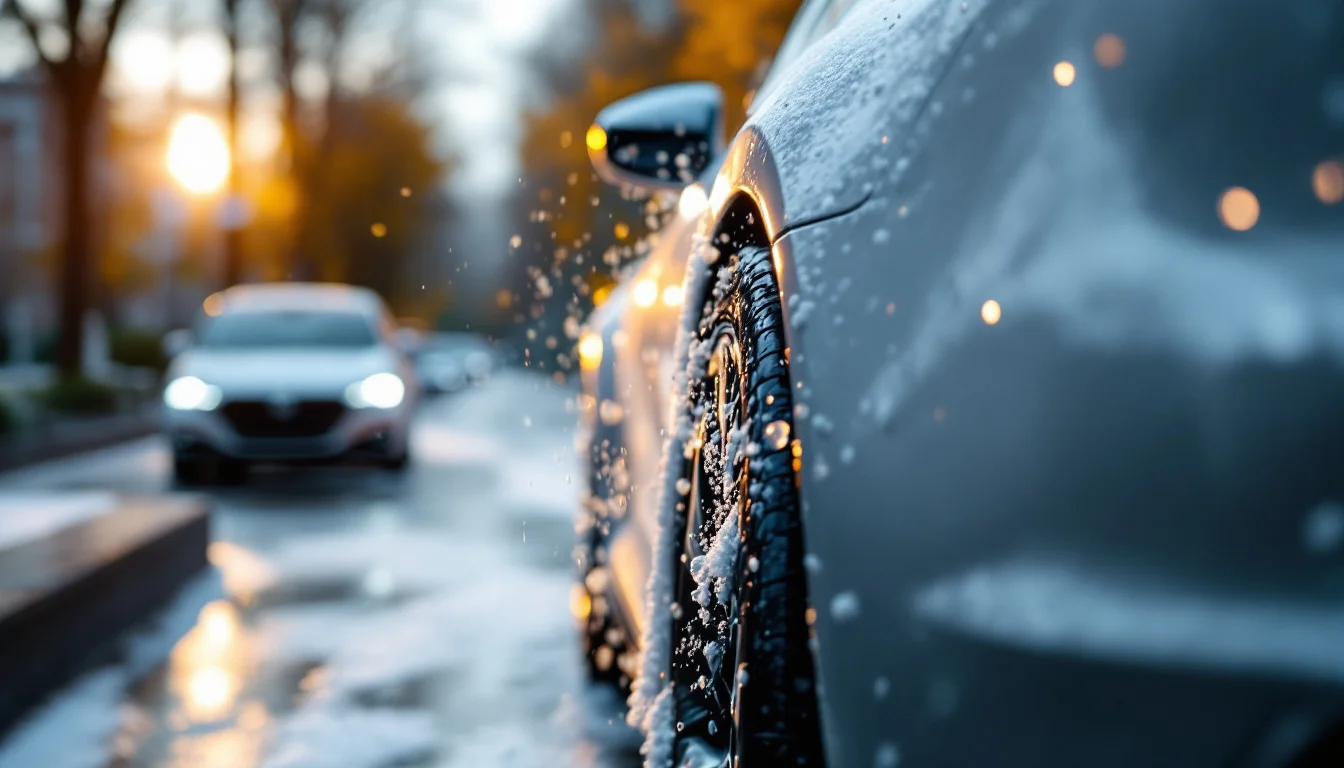
For years, keeping a vehicle clean was viewed as a basic weekend chore, often settled by a quick drive to the nearest automated station. However, the realities of vehicle ownership in Belgium have shifted dramatically throughout 2026. With recent overhauls to regional taxation, corporate deductibility, and technical inspection frequencies, how a vehicle is maintained has transitioned from a matter of mere aesthetics to a critical exercise in asset management.
As the costs associated with both acquiring and operating vehicles rise, drivers are increasingly scrutinizing the long-term impact of their maintenance choices. Choosing between a traditional fixed car wash and a mobile detailing service is no longer just a debate about convenience. In today's tightening fiscal landscape, selecting the right cleaning model requires evaluating surface preservation, time efficiency, and the total cost of ownership.
Key Takeaways
Summary of Maintenance Shifts
- Service models: Traditional formats require travel to fixed sites, whereas mobile services operate on-demand at the customer's location.
- Fiscal pressures: The end of Flemish tax exemptions for new zero-emission vehicles and the upcoming phase-out of corporate deductibility impact long-term vehicle costs.
- Regulatory updates: Recent adjustments to Flemish technical inspection schedules and emission zones encourage longer vehicle lifespans.
- Asset protection: Extended ownership cycles demand maintenance solutions that prioritize paint preservation over washing speed.
The Operational Divide: Speed vs. Precision
Understanding the fundamental differences between cleaning models is essential before evaluating their economic impact on vehicle longevity.
Traditional Market Formats
According to an industry overview by Mallard Mobile Wash, traditional car washes require the customer to travel to a fixed site and exist in three primary formats:- Automatic: Machines clean vehicles quickly as they move through a tunnel.
- Self-service: Customers manually clean their own cars using provided equipment.
- Full-service: Dedicated staff handle the entire cleaning process on-site.
The Mobile Alternative
In contrast, a mobile car cleaning service provides on-demand cleaning directly at the customer's location. This operational shift fundamentally changes the service quality. Mobile car wash services often focus on hand cleaning techniques that provide better attention to detail.While mobile services may take more time to complete due to this detailed approach, they ultimately save time overall by eliminating the need for the customer to travel to a facility and wait in queues. This shift from mechanical speed to manual precision forms the basis of the modern detailing industry.
Behind the Invoice: The Business Economics of Mobile Detailing
Consumers frequently wonder why a mobile technician can spend several hours meticulously cleaning a vehicle without charging astronomical luxury fees. The answer lies in the distinct economic structure of the mobile service model, which strips out the heavy overhead associated with brick-and-mortar operations.
Because heavy real estate and facility maintenance costs are completely bypassed, the mobile pricing structure focuses almost entirely on labor, time, and chemicals. For the Belgian consumer, the fee paid for a mobile service directly funds the technician's time and specialized products rather than subsidizing commercial rent. This leaner business model allows detailers to maintain competitive pricing while delivering the extended, intensive hand-washing required for long-term vehicle care.
The 2026 Fiscal Squeeze: Why Asset Preservation is Now Paramount
The decision to invest in detailed, paint-safe vehicle maintenance must be evaluated against Belgium's evolving automotive tax landscape. Preserving a vehicle's residual value has become a financial imperative in 2026, as both regional and federal incentives face strict revisions.
Rising Costs in Flanders
Data from the Flemish government (Vlaanderen.be) confirms that previous fiscal exemptions for zero-emission vehicles have concluded. Starting January 1, 2026, zero-emission passenger vehicles (running entirely on electricity or hydrogen) registered in Flanders pay a flat annual road tax of €107.16, which includes additional centimes and is indexed annually on July 1. Furthermore, these vehicles are now subject to a flat registration tax (taxe de mise en circulation) of €61.50, which is non-indexed. Vehicles registered before January 1, 2026, remain exempt, creating a distinct financial divide for newer fleets.The Decline of Corporate Deductibility
For corporate owners and independent professionals, the federal tax environment is also tightening. According to guidelines published by FEBIAC, while fiscal deductibility remains at 100% for electric vehicles ordered in 2026, a steep phase-out begins immediately afterward. For electric vehicles ordered in 2027, deductibility drops to 95%, followed by 90% in 2028, 82.5% in 2029, 75% in 2030, and eventually 67.5% in 2031.As the operational and acquisition costs of EVs increase due to these new taxes and dropping deductibility rates, owners must maximize the asset's residual value at the end of its cycle. Investing in the careful hand cleaning techniques provided by mobile detailing acts as a protective measure against accelerated depreciation, offsetting the heavier fiscal burdens introduced this year.
Longer Ownership Cycles: Navigating the New Inspection and LEZ Rules
Regulatory stability and inspection intervals heavily influence how long Belgians choose to keep their vehicles. Recent policy shifts have created an environment that actively encourages longer ownership cycles, thereby increasing the cumulative wear and tear a vehicle experiences.
Changes to Technical Inspections
As outlined by the Flemish government (Vlaanderen.be), a major regulatory adjustment took effect on September 1, 2026, transitioning technical inspections for passenger cars in Flanders to every two years. This two-year periodicity applies to all passenger cars, including older vehicles, provided the vehicle is presented for inspection on or after September 1, 2026, and holds a currently valid inspection certificate at that time (this latter condition does not apply to vehicles less than four years old). With longer gaps between official check-ups, the responsibility falls heavily on owners to maintain their vehicles proactively. Minor aesthetic degradation or localized corrosion that might have been caught or addressed during a more frequent inspection cycle now requires independent vigilance.Frozen Emission Zones
Simultaneously, the pressure to prematurely replace older internal combustion engine (ICE) vehicles has been alleviated in Flanders. The Flemish Environment Agency (VMM) notes that the Flemish Government decided to cancel all planned tightenings of the access rules for Low Emission Zones (LEZ), with effect from January 1, 2026. Drivers should note that LEZ rules vary by region: Brussels, for example, applies its own separate LEZ framework with its own access criteria, which are not affected by this Flemish decision.Because LEZ stability in Flanders allows drivers to legally operate their current ICE vehicles for a longer horizon, deep detailing becomes a valid long-term investment. Protecting clear coats, maintaining interior fabrics, and preventing long-term surface failure through specialized mobile care ensure these vehicles remain structurally and aesthetically sound over extended lifespans.
Decision Matrix: Which Service Model Fits Your Profile in 2026?
Aligning vehicle maintenance with these new realities requires evaluating individual usage and financial constraints. What we outline here as the 2026 Service Matrix categorizes drivers into three distinct profiles:
- The EV Fleet Manager: Facing the reality of EVs ordered in 2027 dropping to 95% deductibility (and down to 67.5% by 2031), total cost of ownership is paramount. This profile must heavily favor the precision of mobile detailing to preserve exterior conditions, ensuring the highest possible residual value upon resale or lease return.
- The ICE Commuter: Benefiting from the canceled tightening of Flemish LEZ rules effective January 1, 2026, this driver plans to keep their current vehicle longer. While they may utilize fixed automated stations for quick winter salt removal, scheduled deep detailing sessions ensure the extended lifespan of their older asset.
- The Private EV Adopter: Now subject to the new 2026 Flemish annual road tax and registration tax for zero-emission vehicles, this driver seeks maximum value and convenience. This profile leverages at-home detailing to balance their busy schedule while actively protecting an increasingly expensive vehicle.
Frequently Asked Questions
Are mobile detailing services environmentally friendly?
Mobile services frequently use controlled water usage and eco-friendly products, whereas traditional car washes may consume more water depending on their specific systems and processes.Is mobile detailing legally allowed on public streets in Belgium?
While mobile operators utilize controlled water methods to minimize runoff, local regulations vary. It is always recommended to check specific municipal (commune) rules regarding commercial washing activities on public roads, though many operators perform the service on private driveways or office parking lots to ensure compliance.How does the cost compare to a premium automatic wash?
Mobile services carry a higher immediate price tag due to the manual labor and specialized products involved. However, for high-value or leased vehicles, this premium focuses on specialized manual care that protects the vehicle over extended ownership periods.Conclusion
As the Belgian automotive landscape settles into its new regulatory and fiscal framework, the role of vehicle maintenance requires serious recalibration. Cars are evolving into highly taxed assets that owners will hold onto for longer periods. Looking ahead, drivers—especially corporate owners navigating the phase-out of EV deductibility from 100% in 2026 down to 67.5% by 2031—will need to actively monitor their total cost of ownership to maximize residual value. The integration of specialized, at-home care into regular vehicle management strategies will likely become as standardized as monitoring battery health or scheduling software updates.
--- This article is for informational purposes only and does not constitute financial advice. Consult a licensed financial advisor before making any investment decisions.