Tyre Sidewall Care in 2026: Why the Wrong Dressing Accelerates Dry Rot and How to Protect Your Rubber
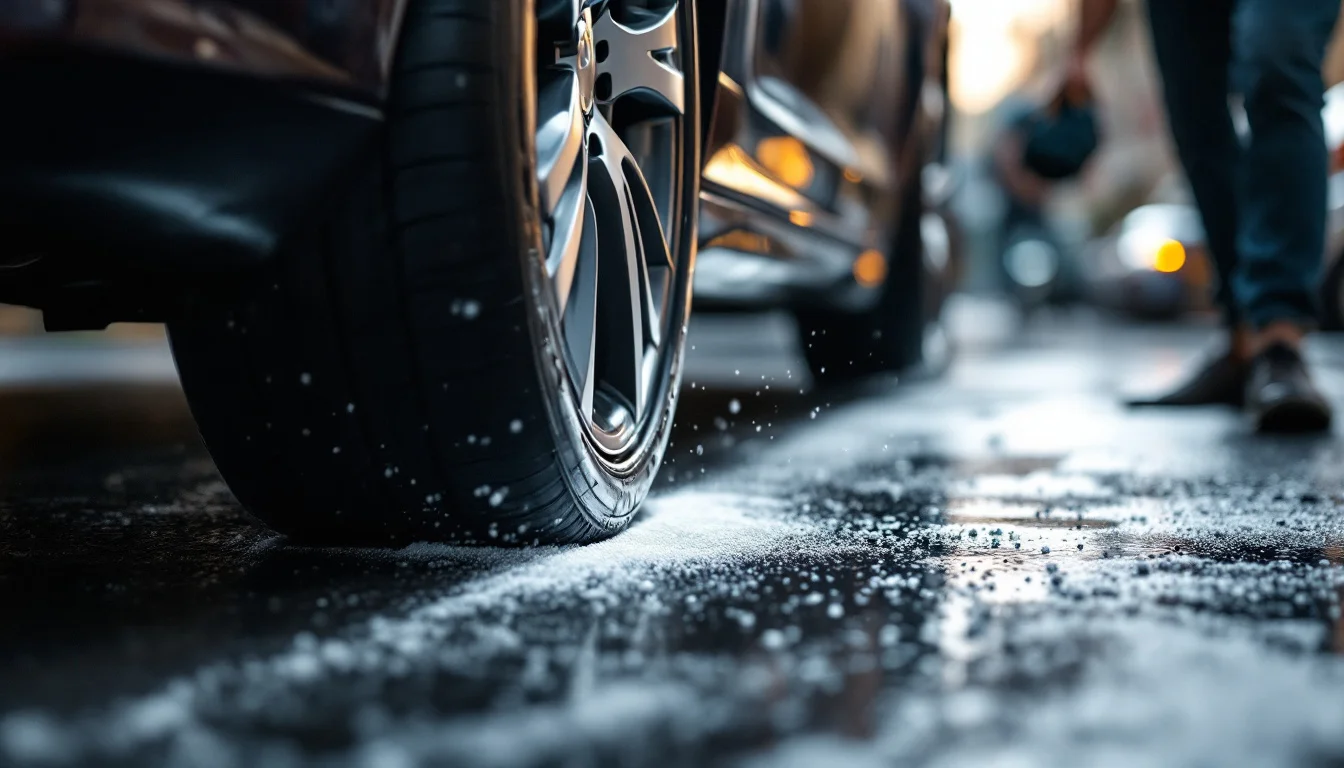
The modern approach to automotive detailing often prioritizes a flawless, wet-look finish above all else, creating a chemical paradox right where the vehicle meets the road. In the pursuit of showroom-ready aesthetics, many drivers inadvertently accelerate the degradation of their tyres. The products marketed to keep rubber looking brand new can in some cases contribute to its structural demise. To understand this contradiction, one must first dismantle the prevailing myths surrounding tyre degradation.
According to Apollo Tyres, dry rot is a progressive degradation of rubber over time. Despite its misleading name, the condition is not a fungal infection. Instead, it is a chemical degradation in which the rubber matrix loses its protective plasticizers, flexibility, and overall structural strength. Age, UV exposure, and environmental ozone are the dominant drivers of this degradation, but certain cosmetic products can act as a significant secondary accelerant.
When drivers see their sidewalls losing their deep black lustre, the immediate instinct is to apply a heavy coat of tyre shine. However, applying the wrong chemical composition to this complex polymer blend does not nourish the material; it can actively degrade it. True sidewall preservation requires moving past purely cosmetic treatments and understanding the material science that keeps rubber flexible, resilient, and safe for the road.
Key Takeaways
- Chemical, Not Fungal Degradation: Dry rot is a progressive chemical reaction resulting in the loss of protective additives and flexibility, rather than a fungal infection.
- Solvent Damage: Harsh chemicals and petroleum-based tyre shines can strip protective oils from the sidewall, potentially accelerating the onset of dry rot.
- Safe Conditioning Practices: Choose water-based tyre dressings, applying them lightly to avoid leaving a sticky or greasy residue that may degrade the rubber.
- The Mechanical Requirement: Rubber requires mechanical flexing to prevent permanent deformation and localized stresses; vehicles driven infrequently suffer faster tyre aging than daily commuters.
- Objective Age Verification: The DOT code provides the true age of a tyre; Apollo Tyres strongly recommends replacement when a tyre is over 5–6 years old, as deterioration becomes more common over time.
The Chemistry of the Sidewall: Why Tyres Fade to Grey
To understand why tyres degrade, it is necessary to examine what gives them their colour and resilience in the first place. A sidewall is not merely a piece of moulded black rubber; it is a highly engineered chemical compound designed to withstand extreme environmental stress.
What Does Carbon Black Do for a Tyre Sidewall?
Healthy tyres contain carbon black and UV protectants. Hamilton Tires explains that these specialized compounds help resist sun damage, absorbing ultraviolet radiation and environmental ozone to slow the breakdown of the underlying rubber polymers. While it gives a new tyre its deep, dark appearance, carbon black is fundamentally incorporated to provide critical structural reinforcement and abrasion resistance.Why Does Rubber Turn Grey?
As a tyre is exposed to the elements, its UV protection gradually depletes. As that protection weakens, the black colour begins fading, and the tyre eventually looks dull and grey. Many car owners misdiagnose this natural greying process as accumulated dirt or a permanent stain, prompting them to scrub the sidewalls with aggressive cleaners.This aesthetic shift from deep black to dull grey is an early visual indicator that the tyre's surface chemistry is changing. While a tyre can have excellent remaining tread depth, the chemical health of the sidewall is an entirely separate metric. Fading colour signals a growing vulnerability in the rubber, which may be compounded further if the owner responds by applying incompatible cosmetic products.
Solvents vs. Conditioners: How the Wrong Dressing Accelerates Dry Rot
The automotive care market is flooded with products promising a permanent, wet-look gloss. However, achieving that specific aesthetic usually requires a formulation that may be incompatible with tyre chemistry. The distinction between a damaging solvent and a surface conditioner is an important factor in sidewall longevity.
Why Do Petroleum Solvents Damage Rubber?
Apollo Tyres notes that harsh chemicals or petroleum-based tyre shines can strip protective oils, speeding up dry rot. Because many high-gloss products rely on heavy solvents to create a shiny, uniform layer, they can act as chemical extractors, penetrating the porous surface of the rubber and dissolving factory-embedded emollients and anti-ozonants that are meant to keep the sidewall pliable.RNR Tires further warns that products relying on high concentrations of harsh solvents can dry the tyre surface and contribute to cracking over time. While the tyre may look exceptionally black and glossy immediately after application, the underlying rubber may be stripped of essential oils. Once the solvent evaporates, it can leave behind a surface that is more brittle than before the dressing was applied.
Why Choose Water-Based Tyre Conditioners?
To break the cycle of chemical degradation, the approach to tyre dressing must change. RNR Tires advises choosing water-based tyre dressings exclusively. Unlike their petroleum counterparts, water-based formulas do not possess the harsh solvent properties associated with dissolving the tyre's natural oils.Application technique is equally important. RNR Tires recommends applying these water-based products lightly and actively avoiding any products that leave the tyre greasy or sticky. A heavy, sticky layer on the sidewall not only suggests a likely petroleum base but also turns the tyre into a magnet for road grit, brake dust, and industrial fallout, further affecting the surface of the rubber.
The Low-Mileage Paradox: Why 'Garage Queens' Suffer Most
One of the most counterintuitive realities of vehicle maintenance is that meticulously detailed, rarely driven vehicles are often at heightened risk for sidewall degradation. What we will call the "low-mileage paradox" occurs at the intersection of chemical exposure and mechanical stagnation.
Why Do Parked Cars Age Faster?
Rubber is not a static material; it requires physical manipulation to function correctly. According to RNR Tires, rubber breaks down over time through exposure to heat, sunlight, ozone, road grime, and moisture changes. Regular use matters because driving helps keep the tyre structurally pliable. The mechanical action of the tyre flexing under the weight of a moving vehicle helps prevent permanent deformation and localized stresses that can leave the rubber more vulnerable to surface micro-tears.What Happens When Internal Circulation Halts?
When a vehicle is parked for extended periods, this mechanical benefit halts. Apollo Tyres points out that cars driven less often suffer more tyre aging than daily drivers, because rubber needs movement to stay flexible. Tyres sitting in one position for weeks or months can also develop stress points, which is particularly common with spare or seasonal vehicles.When synthesizing these realities, the paradox becomes clear. A high-end weekend vehicle sits parked for weeks, depriving the tyres of the mechanical flexing required to prevent structural stagnation and localized stress. This prolonged inactivity creates an environment that can accelerate dry rot, leaving the tyres more vulnerable over time.
Diagnostic Framework: Reading the Sidewall Before Failure
Visual gloss can easily mask structural decay. To accurately assess tyre health, drivers must implement a diagnostic framework that evaluates objective age, tactile surface conditions, and structural geometry.
Stage 1: Objective Age Verification
Before examining the physical rubber, the baseline health of the tyre must be established through data. Hamilton Tires advises that the DOT code on the sidewall provides an objective age check: its last four digits show the manufacture week and year. Because rubber is subject to progressive chemical degradation regardless of mileage, its true age must be monitored. Apollo Tyres strongly recommends replacement when a tyre is over 5–6 years old, as deterioration becomes more common over time.Stage 2: Surface Cracking
If a tyre is within the vulnerable age range—or has been subjected to harsh solvent dressings—the next diagnostic step is inspecting the micro-surface of the sidewall. According to Hamilton Tires, hairline cracks in the sidewall are often the first visible warning sign of dry rot. These micro-fractures look like tiny lines and may resemble wrinkles in old leather. At this stage, the chemical matrix has lost enough protective plasticizers that the surface can no longer stretch without tearing. While the tyre may still hold air, its structural integrity may be actively compromised.Stage 3: Internal Separation
The final and most critical diagnostic stage involves changes to the physical geometry of the sidewall. Van's Tire Pros notes that bulges and blisters on the tyre sidewall are an indication of deterioration linked to dry rot. These deformities are caused by the separation of the tyre's internal components. A blister indicates that the bonds holding the plies and rubber layers together have failed, creating weak spots that can result in sudden tyre failure. A tyre exhibiting Stage 3 symptoms is a serious safety risk and should not be driven on.The Hard Truth About 'Repairing' Dry Rot
The market is filled with heavy conditioners and sealants that claim to reverse the aging process of rubber, leading many drivers to believe that a severely cracked tyre can be saved with aggressive chemical intervention. This is a dangerous misconception that prioritizes surface appearance over structural reality.
Apollo Tyres warns that treating tyre dry rot is not a viable long-term solution. While heavy surface conditioners may give a short-term cosmetic improvement by darkening the rubber and filling in microscopic gaps, they do not regenerate rubber strength.
The limitation lies in the fundamental chemistry of the degradation. Once cracking has begun, the internal structure of the tyre is already damaged; therefore, no topical liquid can re-fuse the broken chemical bonds within the rubber matrix. Water-based conditioners, as recommended by Apollo Tyres, can help slow further cracking in tyres that have not yet reached an advanced state—but they serve as a preventative measure, not a structural cure. Once a sidewall exhibits established dry rot with visible, deepening cracks, replacement is the only structurally sound remedy.
Frequently Asked Questions
Can a grey tyre sidewall be structurally restored?
No. While heavy surface conditioners may temporarily darken the rubber, they do not regenerate rubber strength once protective plasticizers have evaporated. Water-based conditioners can help slow further cracking in tyres that have not reached an advanced state, but they serve only as a preventative aid, not a structural cure for degraded ones.What is the best way to prevent dry rot on a stored car?
Drive it regularly where practicable. Rubber benefits from mechanical flexing under the weight of a moving vehicle, which helps prevent permanent deformation and localized stresses that accelerate degradation. For long-term storage, Apollo Tyres also advises storing tyres in a cool, dry place away from direct sunlight, avoiding contact with oils or solvents, and using tyre covers for added protection.When should a tyre be replaced due to dry rot?
Apollo Tyres strongly recommends replacement when, among other indicators, a tyre is over 5–6 years old or when cracks are visible on sidewalls. If a sidewall exhibits deepening cracks or blisters indicating internal separation, replacement is the only structurally sound remedy.Conclusion: Evolving from Aesthetics to Preservation
Automotive care in 2026 requires a fundamental shift in how drivers view their tyres, moving away from a purely cosmetic mindset toward rigorous material preservation. Understanding that the deep black gloss of a solvent-based dressing can come at the direct expense of the rubber's structural longevity changes the calculus of detailing. As environmental ozone and UV exposure continue to degrade rubber, shifting toward safe, water-based protectants and regular driving habits will redefine how vehicles are maintained. In the long term, this growing awareness of sidewall chemistry encourages a smarter approach to automotive detailing, ensuring that material preservation outranks short-term shine.